10 Cheap Office Party Games That Get Everyone Involved

Quick Summary
The best budget-friendly office party games are low-cost, quick and need almost no preparation, such as Desk Object Charades, Two Truths and a Work Myth and Speed Drawing. Pick two or three, match them to your group size and keep each round under ten minutes. These office party games get people talking without pressure.
Desk Object Charades, Two Truths and a Work Myth and Speed Drawing need almost no preparation.
Keep each round under ten minutes and explain every game in one sentence.
Mixed teams of six to eight, with a named role each, suit large groups.
Paper Cup Relay costs £2 to £5 for paper cups and suits a meeting room or hall.
Offer a written-only role for anyone who prefers not to perform publicly.
Table of Contents
Why Budget-Friendly Office Party Games Work Better Than You Think
Last Updated: November 12, 2026
Looking for the best budget-friendly party games for employees? You do not need a big spend to get a room laughing. Most of the games that get teams talking are cheap, quick to set up and easy to run with whatever is already in the office.
Cost is only half the case. A low-budget game also lowers the pressure. Nobody feels they must perform, and people who would never volunteer for a stage show will happily join a paper-and-pen round. That matters at work, where some colleagues are shy, new or meeting people from other teams for the first time.
A common mistake is spending heavily on the venue or prizes and leaving the activity itself as an afterthought. Guests remember how the game made them feel, not the price of the trophy. Put your effort into the rules, the pacing and the way you invite people in.
A practical approach is to pick two or three low-cost games, match them to your group size, and keep each round under ten minutes. The rest of this guide shows you how.
Cheap Office Party Games That Need Almost No Preparation
The easiest cheap office party games use materials you can find on any desk. Paper, pens, sticky notes and a timer cover most rounds.
Try these three to start:
Desk Object Charades: Write object names on slips of paper. One person acts out an item for the rest of the table to guess, with no speaking allowed.
Two Truths and a Work Myth: Each person shares two true facts and one false one about their job or the office. The group votes on the myth. It works well for small teams and needs no prep beyond a pen.
Speed Drawing: Give teams a marker and a sheet of flipchart paper. Call out a word and give thirty seconds to draw it. Teams guess from the other side of the room.
Keep the rules to one sentence each. If you need more than a minute to explain a game, it is probably too complicated for a party.
Office Party Icebreakers That Get Colleagues Talking
Icebreakers do the most work in the first fifteen minutes of an event, when people are still deciding whether to join in. They also help colleagues who rarely speak to each other find some common ground.
M.A. Buendía HD
Popular options include:
Human Bingo: Create a grid of traits such as "has visited another country" or "plays an instrument." Guests must find someone who matches each square and get a signature.
Office Name That Tune: Play short clips of songs from different decades. Teams score points for each correct title. Music is easy to adapt to any mix of ages.
Quick Desk Quiz: Ask five questions about the company, its history or its local area. Keep the questions light so newer staff have a fair chance.
Many businesses find that a short icebreaker followed by a team game gives people a natural reason to keep talking.
Large-Group Games for Employees Across Multiple Teams
Once you have thirty or more guests, games need to move quickly and keep everyone involved. Split people into mixed teams of six to eight so colleagues from different departments work together, and give every person a named role, timer, scorekeeper, card reader, runner, so nobody is left standing at the edge of the room.

These four formats scale well and cost very little per head:
Paper Cup Relay (10-15 minutes, £2-£5 for paper cups): Each team lines up and builds a pyramid of cups on a table at the far end, then dismantles it, passing the task down the line. Score one point per completed pyramid within the time limit. Works in a meeting room or a hall, needs no floor space beyond a table per team.
Company Trivia, Three Rounds of Five (20-25 minutes, £0-£10 for printed answer sheets): Display questions on a screen and ask each team to write answers on a card. Rotate the card to the next table for marking so scores are checked by peers. Keep one round on company history, one on general knowledge and one on local area facts so newer staff can contribute.
Human Bingo, Large-Group Edition (15 minutes, £0-£5 for printed grids): A grid of traits such as "has visited another country" or "plays an instrument." Guests find a match for each square and collect a signature. Cap each person at two signatures per grid so people circulate rather than clustering.
Silent Disco Drawing (15-20 minutes, £5-£15 for flipchart paper and markers): Teams draw a named object on flipchart paper while music plays; when the music stops, teams swap papers and guess what the other team drew. It keeps the room moving and gives quieter guests a task that does not require speaking in front of the group.
For a quiz format, run three rounds of five questions and display answers on a screen. This keeps the room moving and gives quieter guests a chance to contribute to a group answer rather than performing solo.
Budget guide: costs for materials depend on the games you choose and the quantities you need, so plan using your own supplier prices. Reusable supplies, timers, flipchart paper, markers, laminated answer cards, bring the cost down further on a second event.
Inclusion matters more at scale, because it is easier for people to opt out quietly. Offer a written-only role (scorekeeper, answer writer) for anyone who prefers not to perform publicly, keep all activities seated or with a seated alternative, and avoid games that require shouting, running or fine hearing. For colleagues with mobility needs, replace relays with table-based tasks; for neurodiverse colleagues, publish the rules and timings in advance so nobody is surprised by a sudden change of format. Make participation voluntary and say so in the invitation.
Watch out: mixing teams without a clear role can leave some people standing around, and a relay in a cramped room becomes a safety issue rather than a game, check floor space and clear trip hazards before you start.
Virtual Office Party Games for Remote and Hybrid Teams
Remote and hybrid teams need games that work through a screen. Good options can be run on any video call platform with a shared document or a simple slide deck.
Virtual Scavenger Hunt: Ask participants to find an item in their home or office and show it on camera within two minutes.
Online Pictionary: Use a shared whiteboard tool. One person draws, and everyone else types guesses in the chat.
Remote Quiz Night: Send a quiz link in advance, run the questions live and let the host reveal answers one by one.
Make sure every participant can join without downloading new software. Share instructions in the calendar invitation so people are not hunting for links on the day.
Choosing Games by Group Size, Time and Venue
The right game depends on how many people you have, how long you can run the activity and where you are holding it. Most organisers find a simple three-filter decision works better than a long list: filter by group size first, then by time slot, then by venue constraints. The table below gives a starting point for matching formats to group size and time.
Group size | Best formats | Typical time | Estimated cost |
Under 15 | Two Truths and a Work Myth, Quick Desk Quiz, Speed Drawing | 10-20 minutes | £0-£5 |
15 to 40 | Desk Object Charades, Human Bingo, Paper Cup Relay | 15-30 minutes | £5-£20 |
Over 40 | Company Trivia, Silent Disco Drawing, parallel quiz tables | 20-40 minutes | £20-£40 |
Mixed in-person and remote | Virtual Scavenger Hunt, Online Pictionary, hybrid quiz with shared document | 15-30 minutes | £0-£10 |
Time filters are just as important. A 20-minute slot suits one icebreaker and nothing more; an hour allows three or four activities with a short break between each; a half-day event needs a mix of high-energy and seated games so people are not exhausted by lunchtime. Build a run sheet with start and finish times for each round and stick to it, overrunning is the most common reason a party game falls flat.
Venue constraints narrow the list quickly. A small meeting room rules out relays and floor-based games; a larger hall allows drawing games and team circuits. Check ceiling height for anything involving throwing, and check noise limits if the venue is shared with other users. For outdoor spaces, have a wet-weather alternative ready.
Inclusion should be a filter, not an afterthought. For each game, ask three questions: can a person with limited mobility take part seated; can someone with hearing or vision differences participate with a simple adaptation; and is there a non-performing role for anyone who prefers not to be the centre of attention. Where the answer is no, either adapt the rules or drop the game.
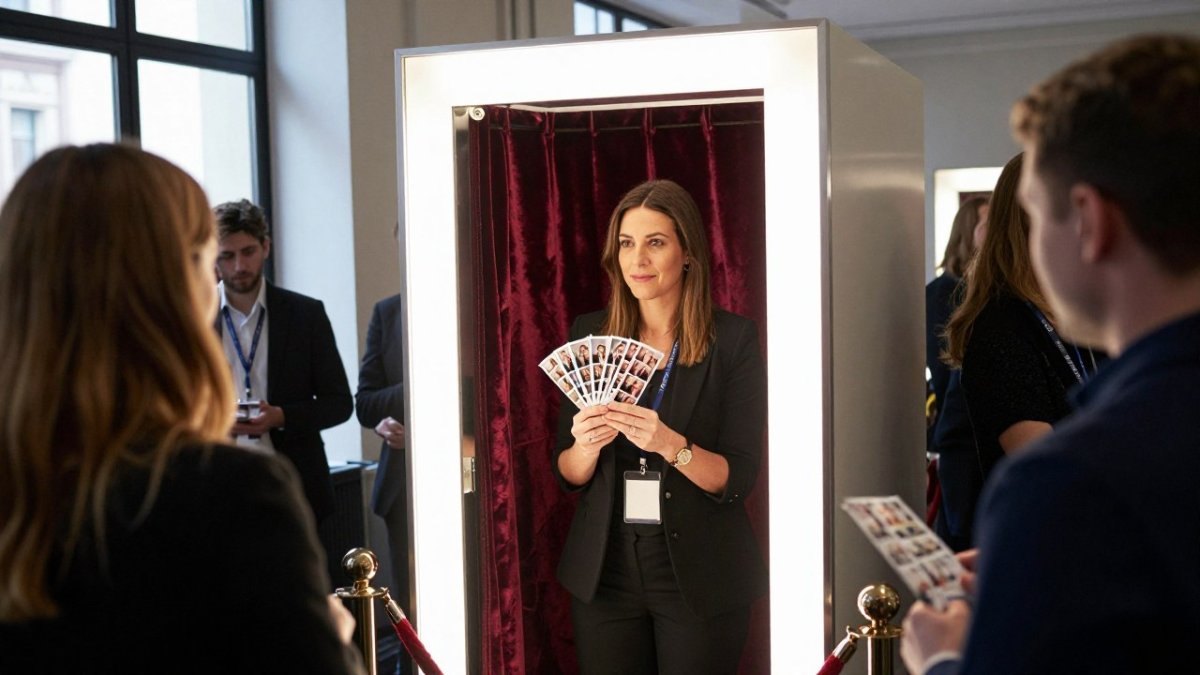
If your event includes photo moments, a photo booth can add another light-hearted activity that guests return to between games. Compare photo booth options for events to find one that fits your space. Our photo booth hire suits a range of group sizes and spaces, and guests can take home instant prints as a memento of the day.
Watch out: choosing games by group size alone often leads to a room where half the guests are watching rather than playing, always check the time and venue filters before you commit to a shortlist.
Planning Your Next Team Celebration Without Overspending
Good planning keeps costs down. Learn how to plan formal celebrations with the right timings and guest experience so the event feels polished without overspending. Start by setting a per-person budget that covers prizes, materials and any hire costs, then work backwards to the games that fit. Pricing depends on quantity, dates and delivery, so check Fells Fun Booth's website for current prices or request a quote before you commit.
Use materials you already have, borrow equipment from colleagues and buy small prizes in bulk. Print instruction cards on plain paper. Reuse the same props across multiple rounds.
Send a short run sheet to your facilitators with the timings for each game, the materials needed and who is responsible for each one. Practical planning like this is what separates a relaxed event from a stressful one.
Frequently Asked Questions
What are some fun, low-cost games for an office party?
Some of the cheapest office party games need little more than paper, pens and a timer. Office bingo, a two truths and a work myth round, and a desk-object guessing game can all run for almost nothing. Pricing for any bought props or prizes depends on quantity and supplier, so check current costs before you commit. Keep rounds short, around five minutes each, so the game stays lively and no one loses interest.
Which party games work well for large groups of employees?
Team relay challenges, quiz rounds split between tables, and scavenger hunts scale well to big groups because each team can work at its own pace. Pair people from different departments so the games help people meet colleagues they rarely speak to. For groups of more than 40, appoint a host for each table so instructions and scores stay clear.
How do you make an office party icebreaker inclusive for a mixed-age team?
Choose icebreakers that rely on conversation and shared stories rather than physical speed or music knowledge. Offer seated options and avoid games that depend on pop-culture references only younger or older staff would know. Ask people to share a favourite hobby, a holiday memory or a skill they would like to learn, which gives everyone an easy way in.
How long should games at a work party last?
A good rule is to plan around 20 to 30 minutes of games for a two-hour gathering, with breaks for food and conversation. Shorter rounds keep energy up and stop games from dragging. Keep instructions to one or two sentences and have a clear finish point so guests know when to move on.
Comments