
Do Photo Booths Need Power at Your Event?

A beautiful booth position can quickly become a problem if the nearest plug socket is across a busy dance floor. So, do photo booths need power? In most cases, yes. A dependable electrical supply helps the camera, screen, lighting, printer and sharing features work exactly as guests expect throughout your celebration.
That does not mean power needs to be complicated. A quick conversation with your venue and photo booth supplier before the day can prevent trailing cables, last-minute furniture moves and the disappointment of a printer stopping just as the party gets going. Here is what to consider when planning your booth space.
Do photo booths need power for every event?
Most professional photo booths require mains power. Modern booths are much more than a camera on a stand: they may use a touchscreen, studio-quality flash or continuous lighting, a DSLR camera, dye-sublimation printer and a computer running the guest experience. Each element needs reliable power if you want bright images, quick prints and a booth that stays ready from the first arrival to the final dance.
The exact requirement depends on the booth design and the package. A compact roaming or selfie-style setup may have battery-powered elements, while a larger vintage booth, beauty mirror or booth with instant printing will usually need a standard mains socket nearby. Features such as animated GIFs, digital sharing and photo mosaics can add further equipment, although their power demands are normally planned by the supplier.
For weddings, proms and milestone parties, mains power is usually the best option. It gives your guests the freedom to visit the booth whenever the mood strikes, rather than working around a limited battery window. It also means the operator can focus on the fun, not on watching battery levels.
What power does a photo booth actually use?
A standard UK 13-amp plug socket is commonly all a photo booth needs. The supplier should provide the appropriate leads and understand their own equipment, but the venue needs to confirm where the socket is and whether it will be available during the event.
The booth may be plugged into one socket while a printer, backdrop lighting or attendant equipment uses another. This is why it is helpful to ask early rather than assuming a socket behind the bar or DJ table can be shared. Some venues have sockets that are hidden behind fixed furniture, switched off at the wall, or already assigned to caterers, musicians or venue lighting.
Power draw matters most where several suppliers are working in the same area. A DJ, band, illuminated letters, catering equipment and photo booth should not all be added to one extension lead without a proper plan. Your venue coordinator and suppliers can decide the safest layout and, if needed, use different circuits.
The plug needs to be close enough
Ideally, the socket should be within a few metres of the proposed booth location. A professional supplier can use suitable extension leads where necessary, but shorter cable runs are easier to manage and keep discreet. Cables should be routed around the edge of the room where possible, secured safely, and never left as a trip hazard across an entrance, aisle or route to the bar.
This is particularly relevant at weddings. You may love the idea of placing a booth near the dance floor, but not if the cable has to cross the path between tables and the evening buffet. Often, moving the booth a small distance towards a wall creates a safer setup without losing the atmosphere.
Can a photo booth run on battery power?
Sometimes, but it depends entirely on the booth and the experience you want to offer. Battery power can be useful for short activations, outdoor photographs, roaming photography and certain compact digital setups. It can also help where a venue has limited sockets or where a booth needs to sit in a visually clear location.
There are trade-offs. Batteries have a finite run time, and printing is especially demanding. Bright professional lighting, touchscreen use and continuous guest traffic can drain a battery more quickly than expected. Recharging or swapping batteries during a busy party is possible for some equipment, but it is not usually the first choice for a full evening of unlimited booth use.
A battery setup can also be affected by cold weather. If you are planning a garden party, tipi wedding or outdoor celebration, a battery that performs well indoors may not last as long on a chilly British evening. For that reason, it is worth treating battery capability as a specialist option rather than assuming every booth is cordless.
Planning power for an outdoor photo booth
Outdoor booths create wonderful photographs, especially during summer weddings and relaxed family celebrations, but they need more planning than an indoor corner. In addition to electricity, think about rain cover, stable ground, wind, guest access after dark and the distance from the building.
A domestic extension lead through an open door is rarely the right answer. Outdoor electrical equipment and connections need to be suitable for the conditions, protected from moisture and positioned so guests cannot tamper with them. Your venue may have approved outdoor sockets, or it may require a particular arrangement for temporary power.
If an outdoor space has no suitable supply, a booth may be better placed just inside the venue with the backdrop facing a garden view. Guests still get the outdoor feeling, while the equipment stays protected and the photographs remain flattering after sunset.
Do not forget Wi-Fi and mobile signal
Power and internet are separate questions. A booth can take photographs and print without venue Wi-Fi in many cases, but instant online sharing may rely on a connection or a mobile signal. Thick stone walls, rural wedding venues and converted barns can all affect coverage.
If digital sharing is a priority, tell your supplier in advance. They can advise whether venue Wi-Fi, their own connection or an offline approach is most suitable. It is better to plan for the venue’s reality than promise guests instant downloads in a room with no signal.
Questions to ask your venue before booking
You do not need to become an electrician. You simply need clear answers before the setup team arrives. Ask whether there is a working 13-amp socket near your preferred booth location, whether that socket can be dedicated to the booth, and whether the venue has any rules on extension leads or cable covers.
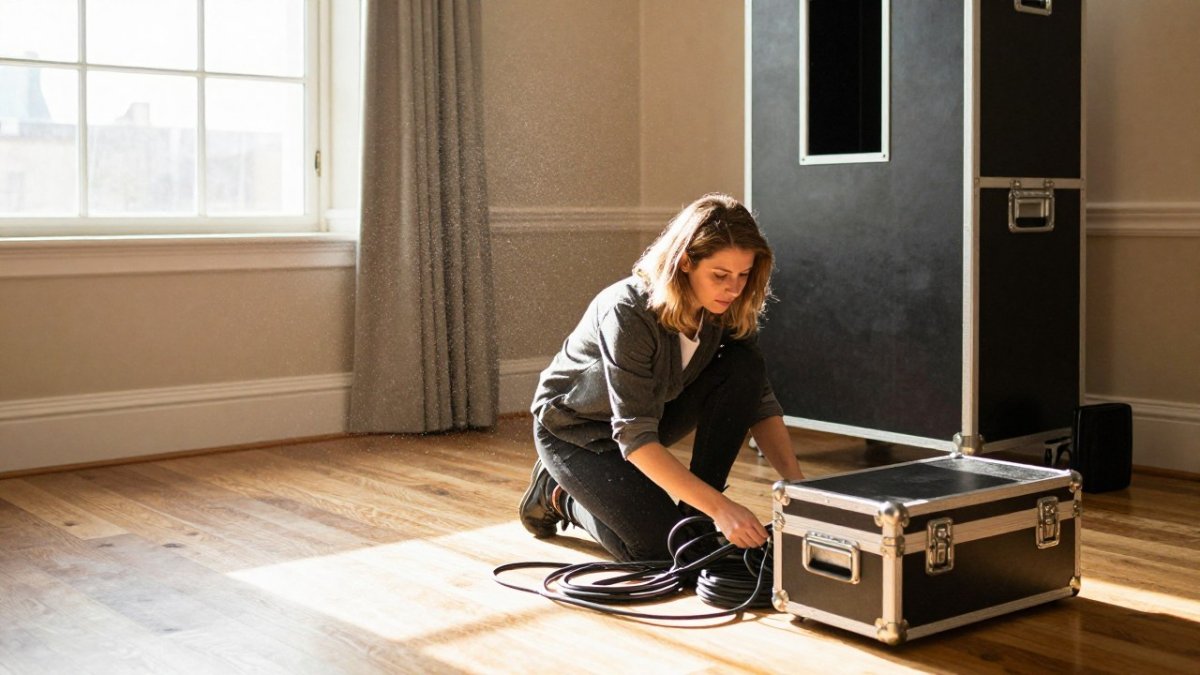
Also ask when suppliers can access the room. A booth needs time to be assembled, tested and styled before guests enter. If the socket is only accessible after tables are laid or after a room turnaround, the setup schedule may need adjusting.
For venues with strict safety procedures, they may ask for evidence that electrical equipment is tested and suitable for use. Established event suppliers are used to venue checks and should be able to discuss their equipment requirements clearly. If your venue has a preferred layout plan, share it with the supplier so everyone is working from the same information.
Choosing the right booth location
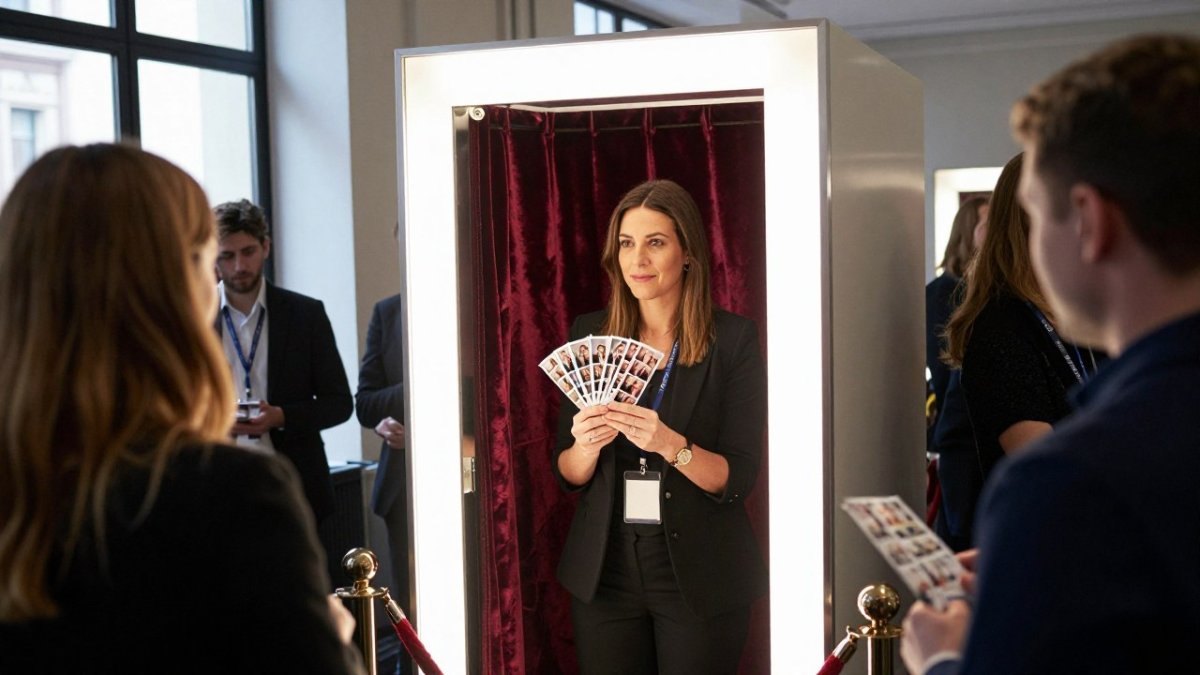
Power is only one part of a brilliant booth spot. The best location balances practical access with the feeling of the party. Guests should be able to see the booth and approach it easily, but the queue should not block the dance floor, dinner tables or fire exits.
A little space around the booth makes a real difference. It gives groups room to gather, choose props and pose without bumping into passing guests. It also allows the attendant to replenish print supplies and keep the experience running smoothly.
Consider the light too. Booth lighting is designed to flatter guests, but placing it directly beside a bright window, intense uplighting or a constantly changing DJ light can affect the feel of photographs. A calm corner near the evening action often works better than the darkest or busiest part of the room.
At Fells Fun Booth, the setup is planned around both the look of your celebration and the practical details that make the experience enjoyable. A rustic wedding may suit a beautiful backdrop against a feature wall, while a glamorous prom booth might belong closer to the main entrance or dance floor. The right position makes the booth feel like part of the event rather than an afterthought.
A simple pre-event power check
Before the event, confirm these points with the venue and your supplier:
A working mains socket is available close to the booth location.
The socket will not be needed for catering, entertainment or venue equipment.
Any cable route can be secured safely and kept away from guest walkways.
Outdoor plans include weather protection and suitable electrical arrangements.
Setup access allows enough time to test the booth before guests arrive.
These small checks are especially useful when plans change. A last-minute room swap, a moved top table or a relocated DJ can alter the best booth position. Let your supplier know as soon as possible so the setup can be adapted without compromising safety or style.
A photo booth should be one of the easiest parts of the party: guests step in, strike a pose and leave with a memory they will want to keep. Giving it the right power source and a well-chosen space lets that simple bit of magic carry on all night.

Comments