How to Manage Photo Booth Logistics (2026 Guide)

Table of Contents
Last Updated: September 9, 2026
Plan Your Photo Booth Logistics in 4 Key Stages
Photo booth logistics is the behind-the-scenes coordination that ensures your hire arrives safely, sets up on time, and runs smoothly from the first guest to the last dance. Getting this right is the difference between a seamless talking point and a stressful distraction on your big day.
At Fells Fun Booth, we have refined our approach across 500+ events in the Midlands, from weddings at Bourton Hall to corporate functions at Coombe Abbey. Our experience has shown that breaking the process into four clear stages removes nearly all the risk.
Stage 1: The Booking Window (8-12 weeks out) Confirm your venue date, then lock in your provider. Ask about power access, table dimensions, and whether the booth will sit indoors or under a marquee.
Stage 2: The Site Survey (2-4 weeks out) Walk the floor plan. Measure doorways and corridors to ensure the booth fits through. Identify the nearest power socket and plan the cable route away from foot traffic.
Stage 3: The Pre-Event Brief (1 week out) Share your running order with the provider. Confirm arrival windows, the exact booth position, and who holds the venue contact number on the day.
Stage 4: Event Day Your provider handles delivery, setup, and the full guest experience. You focus on hosting.

Pro Tip Ask your provider for a floor plan marking. A professional will draw the booth position and cable route before they arrive, not after. This single step prevents most setup delays.
How Long Does Photo Booth Setup Take at Venues?
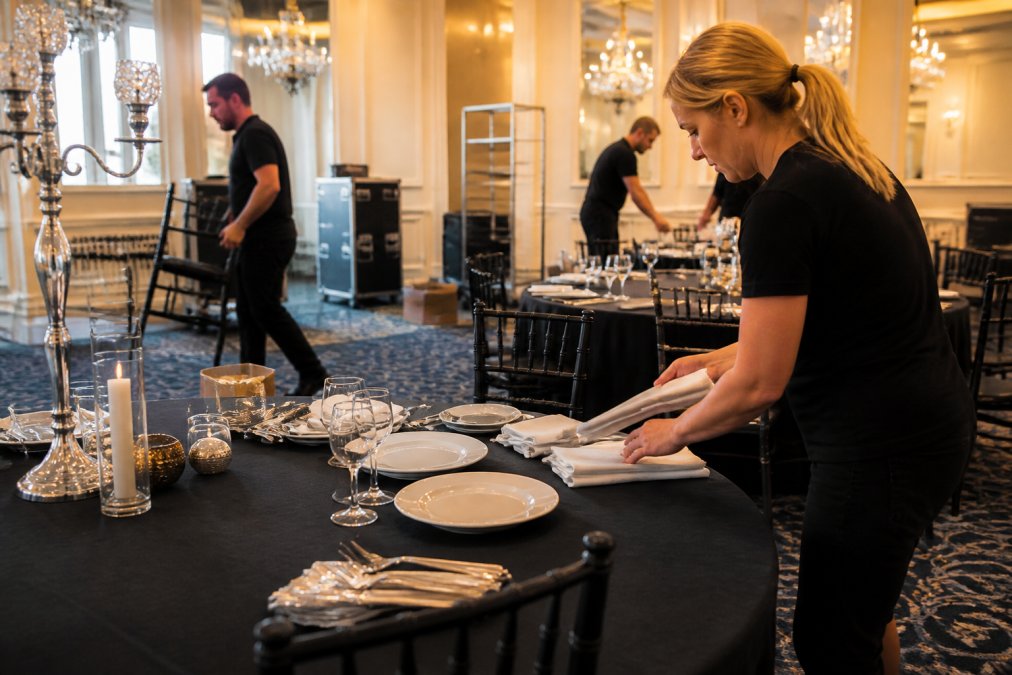
Most premium photo booth setups take between 45 and 90 minutes from arrival to first print (theknot.com). This window covers unloading, positioning, connecting power, testing prints, and styling the backdrop.
Several factors extend that timeline. Stairs without a lift add time for heavy equipment. Marquee floors may need extra matting to protect the surface. If the provider arrives during peak catering setup, competing for loading bay access can delay everything.
A common mistake is booking the booth to start immediately after the venue opens the room to guests. Build in a buffer of at least 30 minutes between the provider's arrival and your first guests entering the space. Trusted providers like Fells Fun Booth arrive early to set up and tear down without disrupting your event flow.
Your Pre-Event Checklist: What to Confirm Before the Big Day
A thorough pre-event checklist protects your plans and your budget. Work through these items in the final week before your event.
Venue access: Confirm loading bay availability and any time restrictions with the venue coordinator.
Power source: Identify the exact socket the booth will use. Extension leads should be supplied by your provider and PAT tested (hse.gov.uk).
Space dimensions: Re-measure the allocated area. The booth needs clearance for queues and the backdrop needs depth for good photos.
Delivery timing: Agree on the arrival window and confirm who meets the team on site.
Guest expectations: Tell your provider the approximate guest count and peak times so they can manage prop supplies and print volumes.
Watch Out Skipping the power check is the most common cause of on-the-day problems. If the only available socket is on a different circuit to the catering equipment, you risk tripping the breaker mid-event. Confirm the circuit before the provider arrives.
Event Venue Power Requirements for Photo Booths
Photo booths require a standard mains power supply, typically a single 13-amp socket within 10 metres of the setup position (gov.uk). Most modern booths, including magic mirrors and DSLR rigs, draw modest power, but the circuit must be dedicated.
The real challenge is circuit capacity. Venue kitchens and bars often share circuits with function rooms. When catering equipment kicks in during service, a shared circuit can overload. Your provider should carry PAT tested equipment and understand how to manage this risk.
If the booth is positioned outdoors or in a marquee, confirm that weatherproof power is available. Generators are a fallback but introduce noise and fumes, so they should be a last resort. Professional providers assess these requirements during the site survey, not on the day itself. hiring event photographers.
Photo Booth Transport Safety Tips for a Damage-Free Delivery
Transporting a photo booth requires the same care as moving any fragile, high-value equipment. The core principle is simple: secure the load, protect the surfaces, and plan the route.
Start with the vehicle. Equipment should sit flat in a van with a non-slip floor lining. Use ratchet straps or load bars to prevent movement during transit, and position heavier items like the booth frame at the base. Never stack props or loose items on top of the printing unit.
Padding matters more than most expect. Corner protectors and moving blankets absorb the bumps that cause screen damage. For the journey, pack the camera and lens in a padded hard case separate from the booth frame.
Key Takeaway The safest delivery is one where nothing shifts. If you can hear equipment moving when you brake, the packing is wrong. Every item should be immobile before the van leaves.
Photo Booth Prop Management Systems That Keep Guests Happy
A well-managed prop system keeps queues moving and photos varied. The goal is simple: guests should find what they want quickly and return it just as fast.
Organise props by category in labelled containers. Hats in one box, glasses in another, and signs in a third. This makes restocking during the event quick and keeps the display looking tidy.
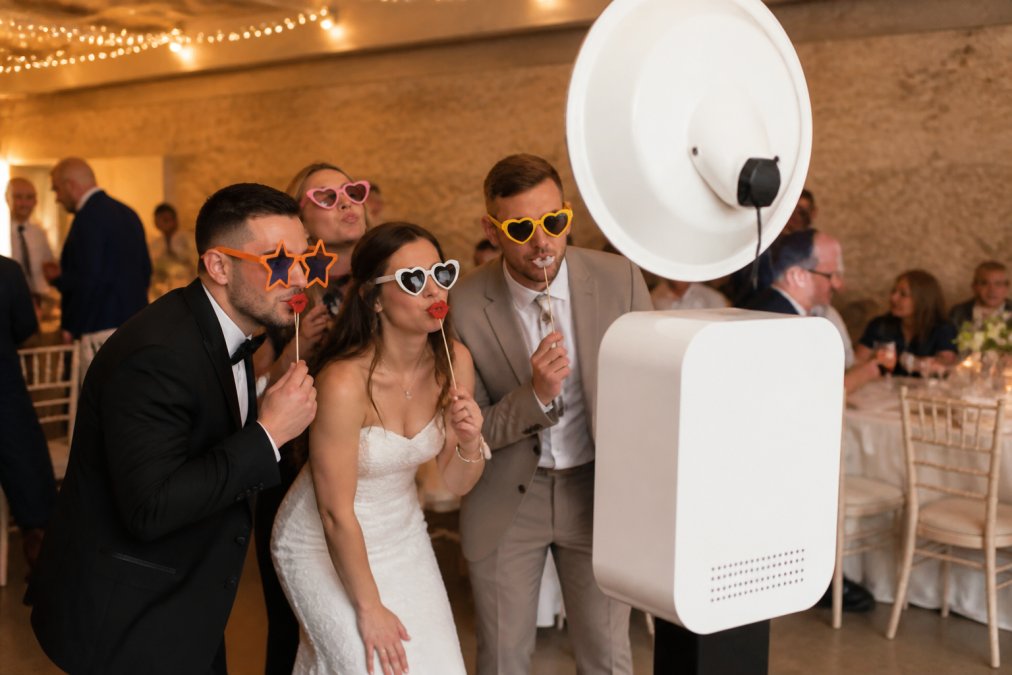
Display props on a dedicated table or rack beside the booth, not inside the shooting area. This prevents guests from blocking the camera while rummaging. A dedicated booth attendant manages the flow, encouraging groups to select props before they step in front of the lens.
For corporate events, custom-branded props reinforce marketing messages. For weddings, a mix of classic and playful options appeals across age groups, from grandparents to young children. Rotating props halfway through the event keeps the experience fresh for evening guests.
Conclusion: Enjoy Your Event While We Handle the Details
Managing photo booth logistics well comes down to preparation, clear communication, and trusting the right provider. When the venue access is confirmed, the power circuit is checked, and the props are organised, the booth becomes a seamless part of your celebration rather than another thing to manage.
That is exactly where Fells Fun Booth excels. We bring fully insured, PAT tested equipment, a dedicated booth attendant for every event, and early setup and tear down so you never worry about the details. Our team handles the transport, the power checks, and the prop management, leaving you free to enjoy your guests.
Get a Custom Quote from Fells Fun Booth for your wedding, corporate event, or private party across the West Midlands.
Frequently Asked Questions
How long does photo booth setup take at venues?
Professional setup typically takes 45 to 90 minutes. This window covers unloading equipment, positioning the booth, connecting power, testing prints and arranging props. A dedicated attendant handles this so you can focus on your guests. Factors like stairs, lift access and distance from the car park can extend this time. Confirm access details with your venue in advance and ask your provider to arrive early.
What are the event venue power requirements for photo booths?
Standard photo booths need a single standard 13-amp mains socket within roughly 10 metres of the setup location. Avoid relying on extension leads that run across walkways, as they create trip hazards. Check with your venue that power will be available where you want the booth. A professional provider brings PAT-tested equipment and surge protection as standard.
What are the best photo booth transport safety tips?
Photo booths should travel flat-packed in padded flight cases or protective covers. Secure equipment in a van with straps or cargo nets to stop it sliding during transit. Load heavy items first and keep them low. Never stack props on top of the booth itself. Professional providers use fully insured vehicles and handle loading and unloading themselves to prevent damage.
How do you manage photo booth props for a busy event?
Organise props into categories like hats, glasses, signs and themed items. Use clear, labelled containers so guests can find what they want and return it easily. A dedicated booth attendant manages the props throughout the event, tidying them between groups and wiping down frequently used items. This keeps the booth looking fresh and prevents props from walking off.
Comments