9 Questions to Ask Corporate Event Entertainers Before Booking

Last Updated: November 24, 2026
Quick Summary
Ask corporate event entertainers about their corporate experience, audience fit, technical needs, insurance, contract terms and backup plans before you pay a deposit. Those seven areas decide whether the act lands with your guests or quietly derails the day.
Score every act out of five on each checklist line and compare the totals.
Ask how many corporate events the act has performed at in the past two years.
Get performance length, number of sets and participation levels confirmed in writing.
Check the public liability certificate is valid for your event date, not an expired policy.
Watch for pressure to pay a large deposit immediately or no written contract.
Booking corporate entertainment soon?
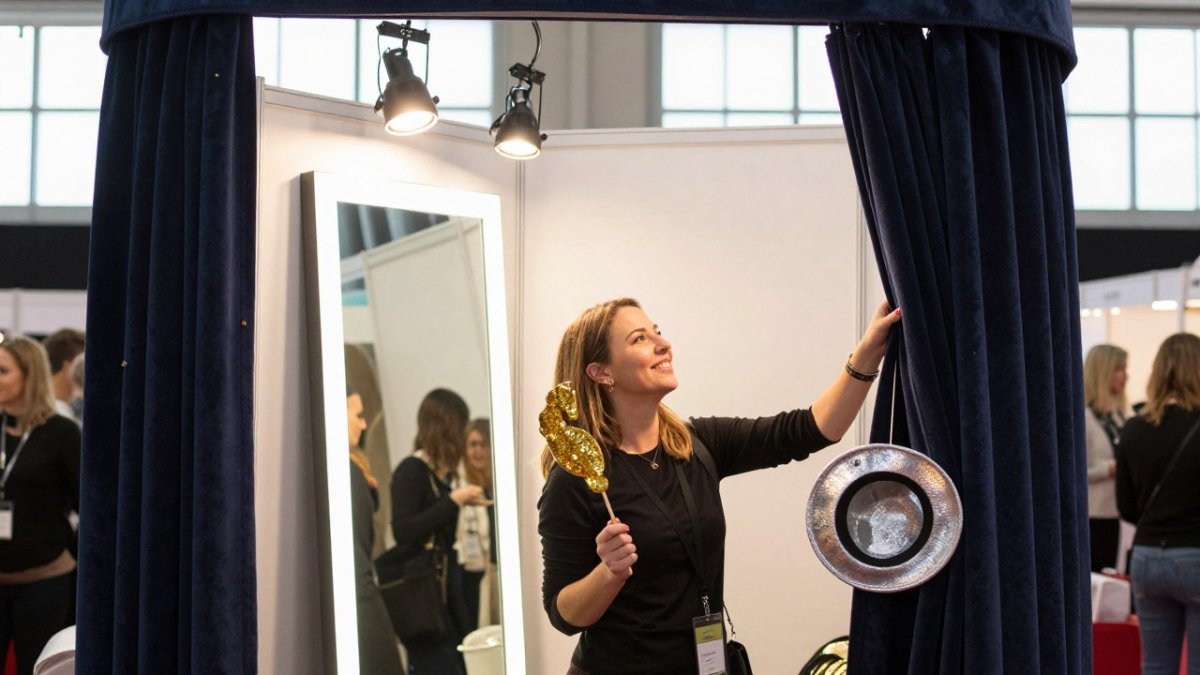
Fells Fun Booth provides insured, staffed photo booth hire for corporate events across the Midlands.
Table of Contents
What should I ask corporate event entertainers before booking?
Ask corporate event entertainers about their corporate experience, audience fit, technical needs, insurance, contract terms and backup plans before you pay a deposit. Those seven areas decide whether the act lands with your guests or quietly derails the day.
This guide covers the questions worth putting to any act, in the order that saves you the most trouble.
Here is the uncomfortable truth: only 30% of first-time event attendees come back to later events, according to attendee retention analysis. Entertainment alone will not fix that. But the right act, properly vetted, gives people a reason to stay and a memory to carry back to the office.
Below, we'll show you exactly what to ask, what a good answer sounds like, and the red flags that should end the conversation.
Use a corporate event entertainment checklist to vet every act
A corporate event entertainment checklist is a fixed set of questions you ask every act before booking, so nothing important gets missed in the excitement of a good showreel.
Work through it in four passes:
Experience: corporate clients, audience sizes, similar events
Fit: material, customisation, participation levels
Logistics: space, power, sound, timings, event-day contact
Protection: insurance, contract terms, cancellation, backup plan
Print it, score each act out of five on every line, and compare the totals. Gut feel is useful, but a scored checklist stops the funniest act from winning purely on charm.
Compare entertainer types before you ask anything
Different acts need completely different questions. A band's technical rider tells you more than its showreel; a speaker's references matter more than their topic list. Compare the categories first, then tailor your questions.
Bands, magicians, keynote speakers and photo booths side by side
Entertainer type | Best for | Key question to ask | Main logistical need |
Function band | Evening energy, dancing | Can you tailor the set list to our audience? | Stage space, power, sound check time |
Magician | Drinks receptions, table mixing | How do you work a room of this size? | Minimal space, close-up sightlines |
Keynote speaker | Conferences, kick-offs | What is your corporate track record? | Stage, microphone, screen |
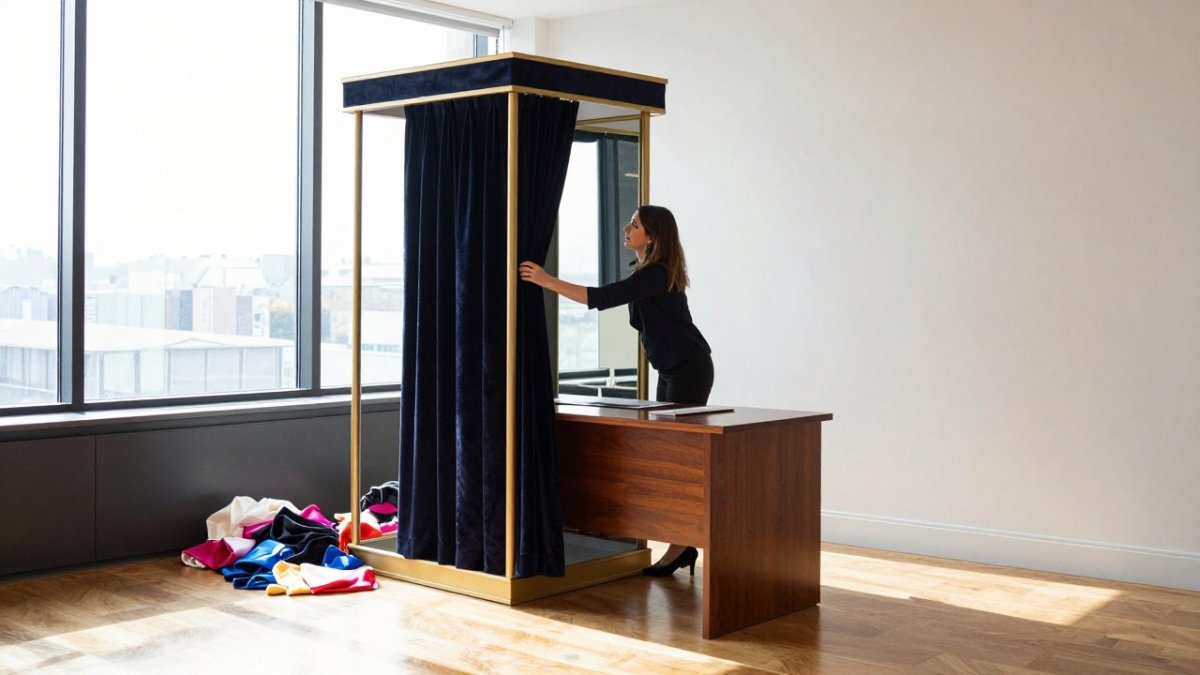
Photo booth | All-day engagement, keepsakes | What is included in the package? | 2m x 2m space, one power socket |
If you are still weighing up categories, our guide to digital caricature entertainment shows what a live-drawing act involves, and our round-up of interactive entertainment ideas for conferences covers formats built for corporate audiences.
Confirm experience, material and audience fit
Corporate experience is the first filter, and it is where most bookings go wrong. An act that delights a wedding crowd can die at a company awards dinner, because the audience is sober, mixed in seniority and watching their managers.
Ask these questions, in this order:
How many corporate events have you performed at in the past two years?
What is the largest and smallest audience you have worked to?
Can you share two references from similar events?
How do you adapt material for a mixed-age, mixed-seniority room?
Customisation, participation and performance length
Customisation separates a professional entertainer from a generic one. Industry guidance for 2026 advises planners to ask whether shows can be tailored to company objectives and sensitive audience demographics, as reported by corporate event entertainment guidance.
Then pin down participation and length. Ask how much audience involvement the act expects, whether volunteers are pressured or invited, and how long each set runs. A 45-minute close-up magic slot suits a drinks reception; a 20-minute keynote suits a conference opener. Get the format in writing.
For more on getting participation right, read our tips on interactive event entertainment that works, and if you are booking live music, our guide to hiring live wedding musicians and bands covers the questions specific to acts.

Technical requirements, space and event-day logistics
Technical compatibility is the question planners most often forget, and the one most likely to cancel a performance on the day. Planners are increasingly required to verify sound, lighting and staging needs beyond the standard rider, according to event production guidance.
Ask every act:
What are your full sound, lighting and microphone requirements?
How much setup space and ceiling height do you need?
What power supply do you need, and is it PAT tested?
When can you access the venue, and how long is setup and sound check?
Who coordinates with our host or MC on the day?
What is your weather contingency if the event is outdoors?
For photo booth bookings, setup and tear down are handled early and a dedicated attendant staffs the booth throughout the event.
Event entertainment contract terms you should never skip
Event entertainment contract terms are where your money and your event date are actually protected. Get these in writing before any deposit leaves your account, and read the cancellation and liability clauses before you sign rather than after something goes wrong.
Check that the contract covers:
Deposit and balance: how much, when due, and whether the deposit is refundable. A common pattern is a booking deposit to secure the date with the balance due before the event; ask whether the deposit is held as a booking fee or offset against the final invoice, because the two behave very differently if you cancel.
Cancellation policy: what happens if you cancel, and what happens if the act cancels. Ask for the notice periods in writing and whether a cancellation by the performer triggers a refund, a replacement act or both.
Force majeure: who carries the risk of venue closure, severe weather or a public health restriction. Confirm whether force majeure returns your deposit or converts it to a credit note.
Travel costs: whether travel and overnight expenses are included in the booking fee or billed on top, and whether mileage or congestion charges are capped.
What is included: performance length, number of sets, equipment, staff, and any extras such as a compère or background music between sets.
Liability: who is responsible for damage to the venue or injury to guests, and whether the act's public liability cover responds before yours does.
Substitution and backup: whether the act may send a substitute performer, and what notice you get if the named act is unavailable.
Watch out: a contract that names the act but allows an unnamed substitute without your approval can leave you with a different show from the one you booked. Ask for approval rights over any substitution.
If hire equipment is cancelled at short notice, the knock-on costs add up fast. Our article on cancelled event equipment hire and what happens next walks through the practical fallout.
Check public liability insurance for performers and safeguarding
Public liability insurance for performers is essential for any corporate booking. Ask for a current certificate showing public liability cover, and confirm it is valid for your event date rather than an expired policy from a previous year. Check that the policy names the performer or company you are actually contracting with, and ask whether it covers the venue's requirements, since some venues set their own minimum limit.
Then cover safeguarding and conduct. Ask whether the act holds any relevant DBS checks if children or vulnerable adults will be present, and how performers behave around alcohol. A professional act knows when to dial the material back, and will tell you how they handle a guest who has had too much to drink without making a scene.
Corporate audiences also expect appropriate content. Confirm in writing that material will be clean, inclusive and free from anything that could embarrass a client or a senior colleague in the room. This is where a short conversation about your workplace culture pays off: tell the act about the seniority mix, any recent sensitivities and the tone you want, and ask them to confirm the show will match it.
Accessibility belongs in the same conversation. Ask how the act accommodates attendees with mobility, sensory, language or other access needs, and how participation is invited rather than pressured. A good answer covers step-free access to the performance area, whether amplified sound can be adjusted, whether volunteers are approached in advance, and whether material relies on language or cultural references that may not land with every guest. Most practitioners find that a brief access note sent with the booking is enough to shape the show.
Watch out: an act that cannot describe its access approach in concrete terms is likely to improvise on the night, and improvisation around participation is where guests get embarrassed.
Red flags to watch for during the booking process
Red flags in the booking process usually appear before the contract, not after. Watch for these:
No references or corporate clients to speak of
Vague answers on insurance, equipment or timings
Pressure to pay a large deposit immediately
No written contract, or terms sent only after payment
Reluctance to share performance videos of full sets
No backup plan for illness, technical failure or weather
Poor communication during the enquiry stage
Slow replies before you have paid usually mean slower replies once you have.
Booking entertainment should feel exciting, not risky. The fix is a scored checklist, a written contract and proof of insurance for every act you shortlist. At Fells Fun Booth, we back our bookings with fully insured, PAT tested equipment, a dedicated attendant for every event and a track record across 500+ events in the Midlands. Get a custom quote and lock in entertainment your guests will actually remember.
Frequently Asked Questions
What should I ask a performer before booking them for a corporate event?
Ask about their experience with corporate audiences, how they tailor material to your company culture, and what their act includes in terms of performance length and audience participation. Confirm their technical needs, setup space and power requirements, and whether they carry public liability insurance. Request references and performance videos from similar events.
What insurance and safety documentation should corporate event entertainers provide?
Ask for a current public liability insurance certificate and, where electrical equipment is involved, PAT test certificates for anything they plug in. Check the cover level matches your venue's requirements, since many venues ask for a specific minimum before suppliers can work on site. Confirm the documentation is in the company name on the contract, not a third party's.
How do I verify the reliability of a corporate event entertainer?
Ask for two or three references from events similar in size and format to yours, then actually call them. Check reviews across more than one platform and look for patterns in complaints, not just star ratings. Confirm in writing their arrival time, setup window and contingency plan for illness or equipment failure. A performer rider and a clear event-day coordination contact are good signs.
What technical requirements should I discuss with an event entertainer?
Cover sound equipment, lighting, microphones and backing tracks, plus who supplies and operates each. Confirm power requirements, setup space and whether a sound check is possible before guests arrive. Ask whether they need a stage or just floor space, and how long setup and pack-down take. For hybrid or filmed events, check whether their audio can feed into your stream. Get these details in the event entertainment contract terms so nothing is agreed verbally and forgotten.

Comments